1991 Cinemaware / Level 9
Platforms: PC, Amiga and Atari ST
During the late 1980’s, text adventures were losing their popularity – so to survive, Level 9 would create HUGE, which stood for wHoley Universal Game Engine. A few games managed to make use of the engine, though there would be a casualty with a few – including Grange Murders.
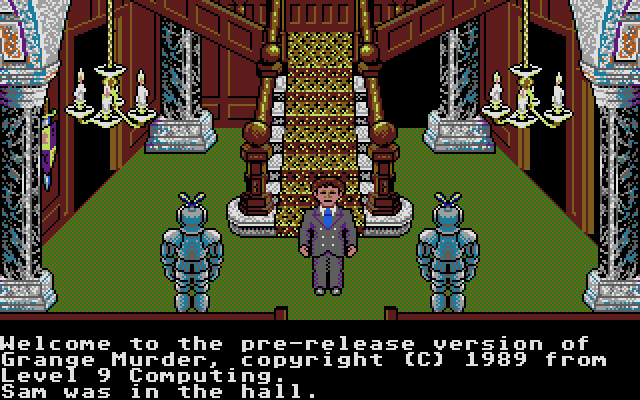
Grange Murders was once known as Nine Lives and Nine Green Murders (likely a reference to the company name), and was to the be first game to properly utilize and demonstrate the engine and
conceived as an ambitious animated detective adventure by Level 9.
Designed to be re-playable rather than a single, linear mystery. Instead of one fixed solution, the game featured nine alternative crimes, ranging from straightforward to deliberately obscure, encouraging multiple playthroughs and avoiding the frustration common to long, one-solution adventures.
Set during a tense family reunion in a large country house in the 1920s, the player takes the role of a private investigator and security consultant invited to assess the estate. When a member of the deeply dysfunctional Farleigh family dies, the player must uncover what really happened.
Crucially, the game begins before the crime: guests arrive, explore the house, interact, and reveal tensions, allowing the player to observe behaviour and establish context before the murder occurs. Only later does the focus shift to investigation and interrogation. It’s familiar in many ways to The Detective on the Commodore 64.
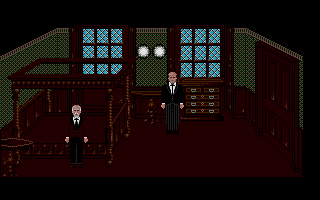
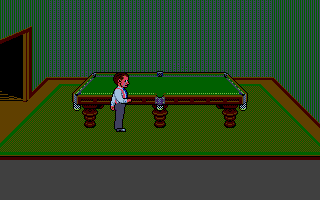
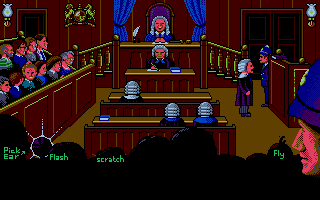
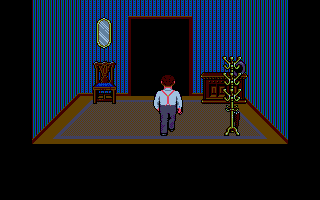
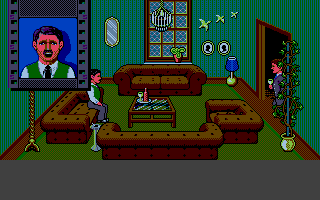
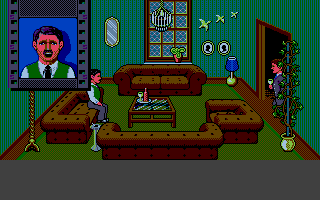
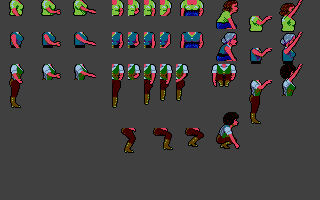
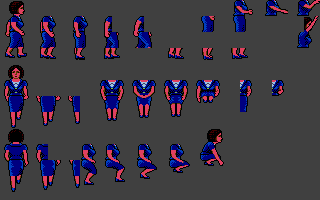
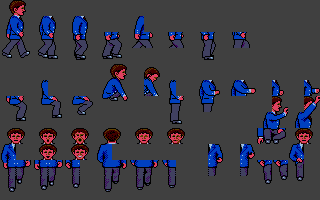
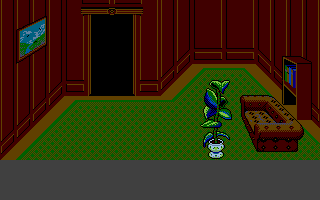
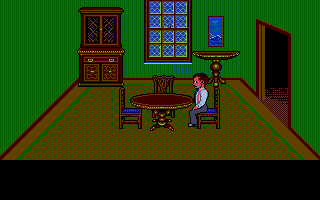
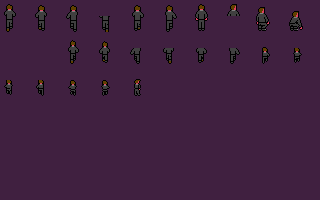
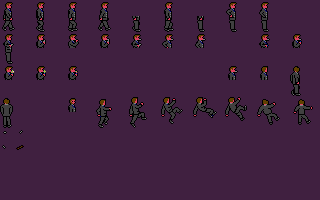
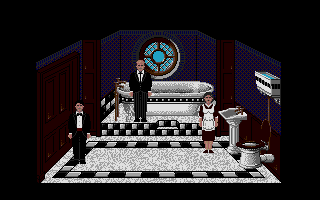
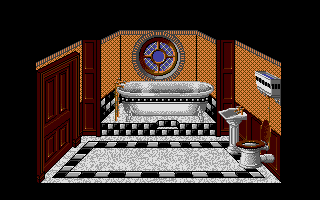
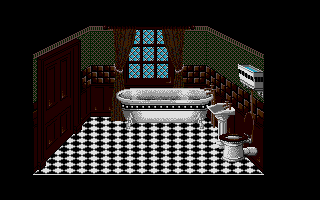
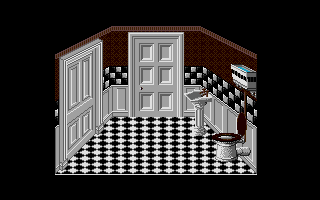
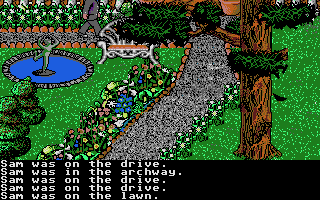
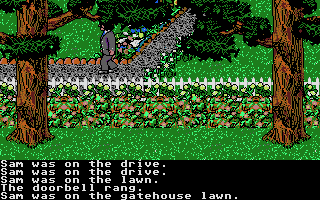
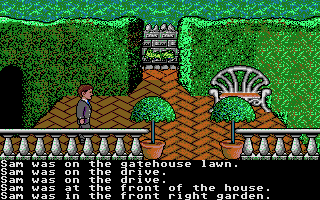
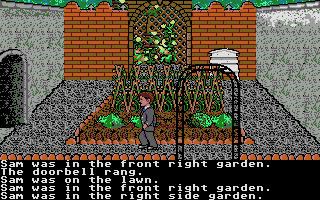
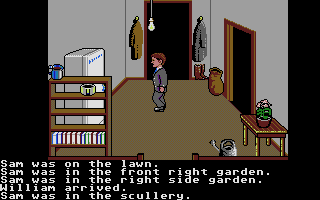
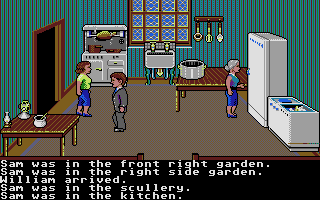
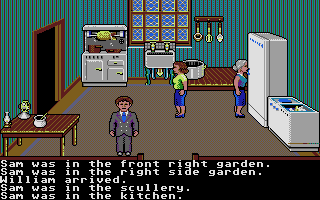
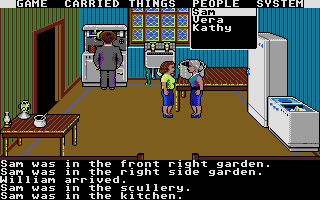
The design was inspired by contemporaries like Police Quest but expanded with large animated sprites, 3D-style environments, background music, digitised sound effects and a menu-driven interface. Gameplay was viewed through a large animated scene with characters moving independently, supported by pull-down menus and a scrolling text window. The world itself was intended to feel alive, with constant environmental animation such as dripping taps, ringing doorbells and incidental movement.
Investigation also centred on evidence management rather than brute-force puzzle solving. Physical evidence could be logged or discarded, while spoken words and observed actions were recorded in a notebook using a timed system that captured incriminating behaviour around the moment it was noted. The notebook summarised evidence in reverse order and the game even discouraged excessive note-checking with humorous responses.
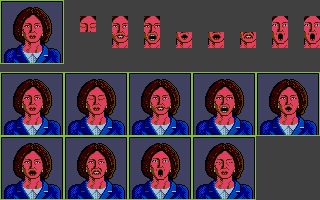
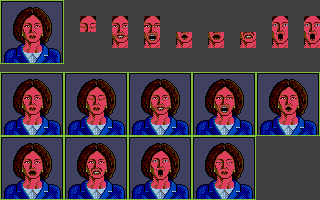
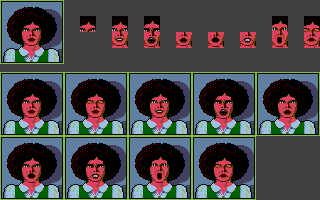
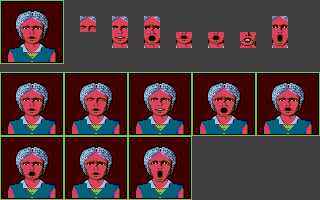
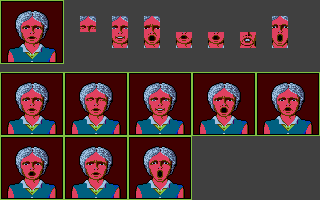
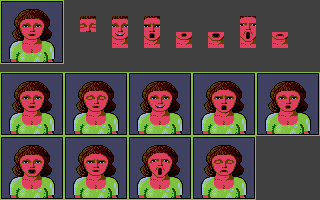
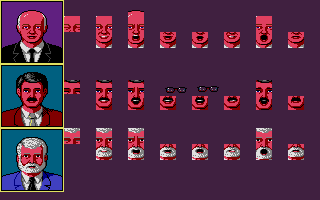
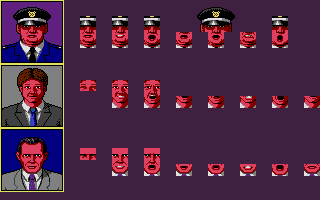
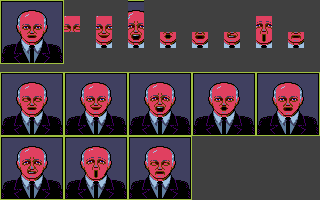
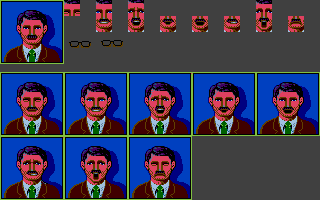
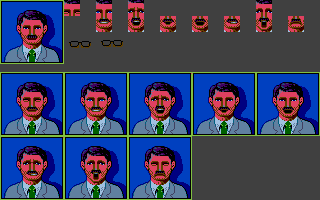
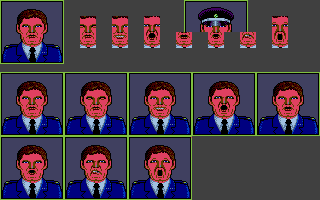
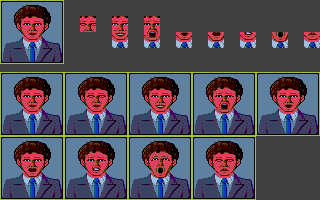
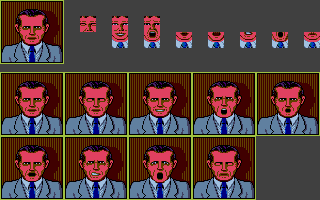
Conversation would additionally play a major role, using close-up character portraits and context-sensitive dialogue menus. Players could ask characters about other people or nearby objects, drawing out alibis and contradictions after the crime. Accusations were handled through a structured system where the player identified not only the suspect, but also the nature and cause of death — including the possibility that it was accidental or staged.
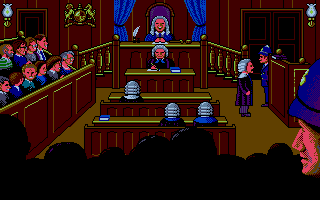
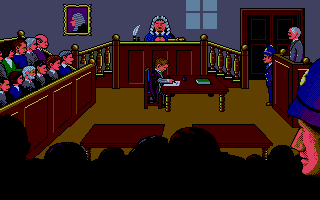
Scoring rewarded careful observation and correct conclusions, while penalising false accusations, irrelevant evidence and poor behaviour. If enough solid evidence was presented, the police would make an arrest and the game would transition to a courtroom scene, where the final outcome depended entirely on the quality of the player’s case.
Overall, the game was designed as a richly animated, character-driven murder mystery that blended observation, social interaction and deduction – a significant step beyond traditional text adventures.
Once the design and engine was up and running after about a year or so, Level 9 went looking for a publisher, and their agent John Cook would hook them up with Cinemaware – with releases planned for Amiga, ST and PC platforms overall.
Work would continue on the game (with a name change to Grange Murders), in between conversions of It Came From The Desert, Billy The Kid and Champion Of The Raj. Sadly, when Cinemaware hit financial issues in 1991, development halted and no payment would be received. Due to a combination of cancellations, Level 9 couldn’t continue and closed its doors in 1991. The game was never complete – but it was perhaps around 70% complete (to be confirmed).
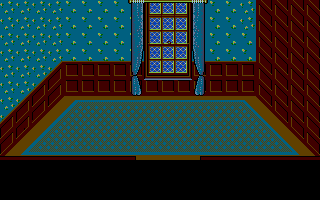
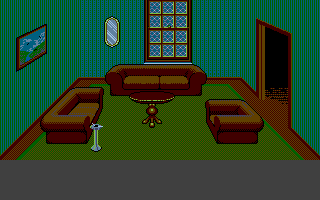
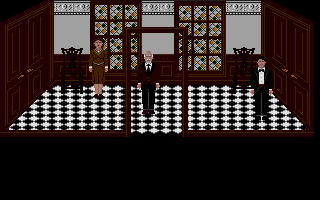
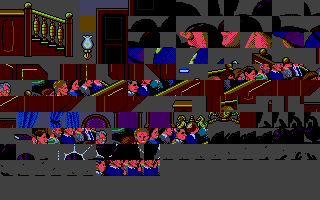
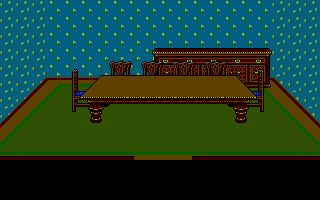
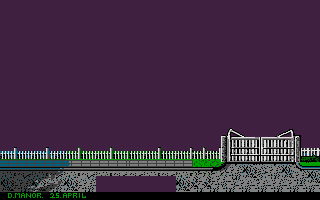
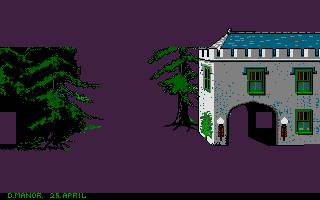
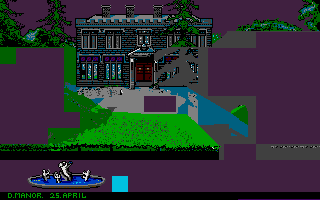
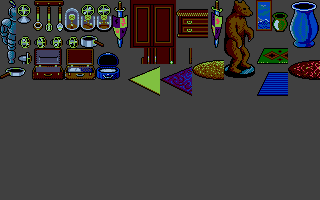
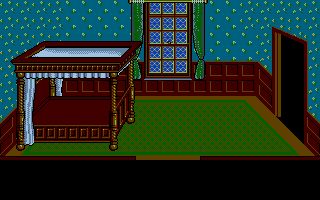
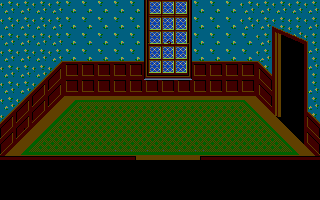
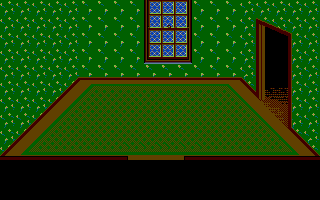
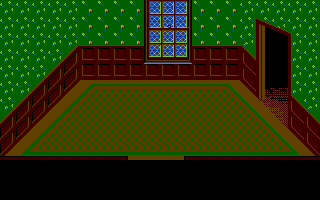
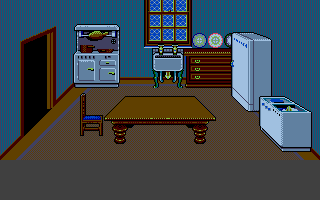
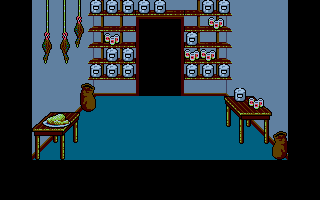
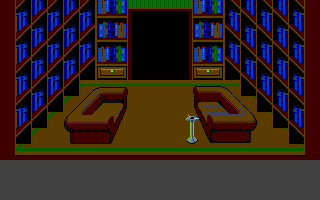
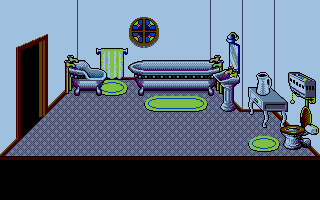
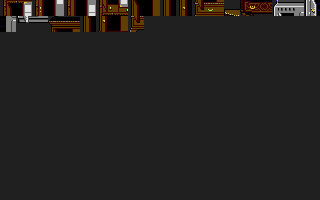
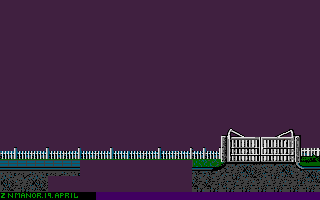
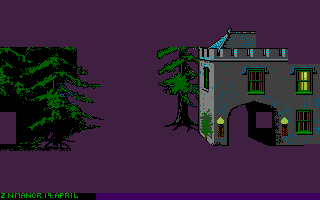
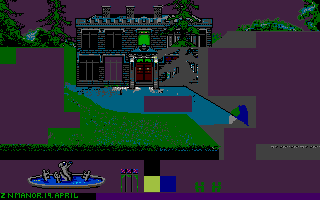
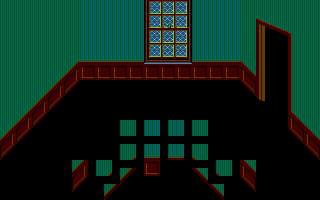
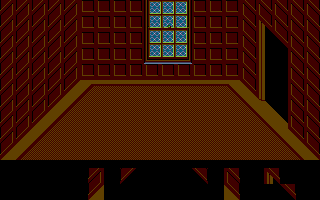
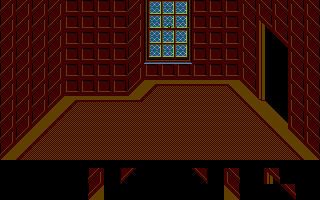
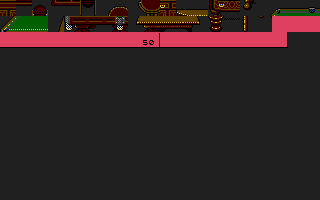
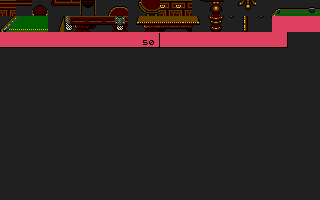
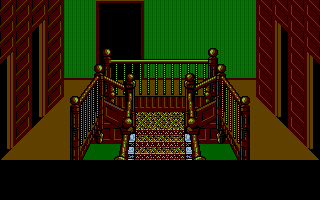
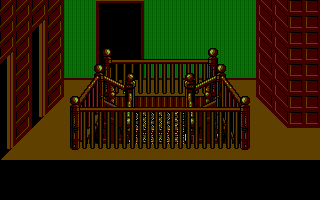
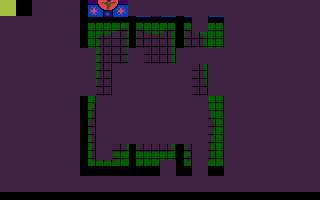
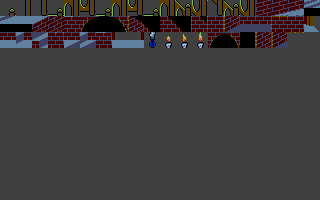
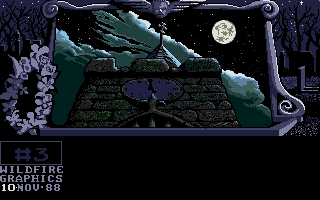
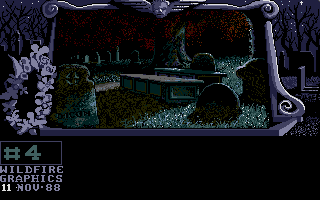
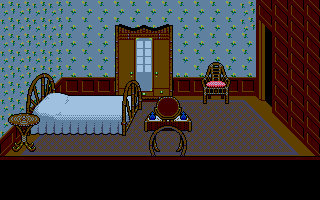
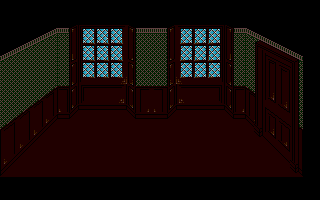
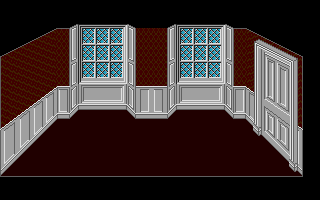
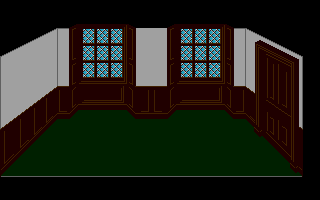
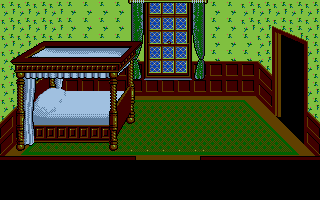
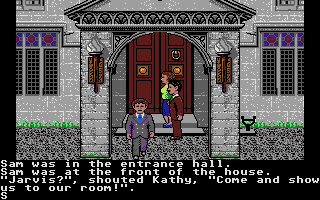
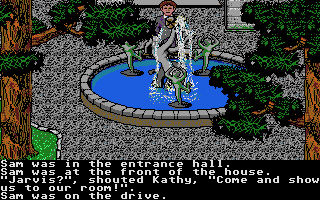
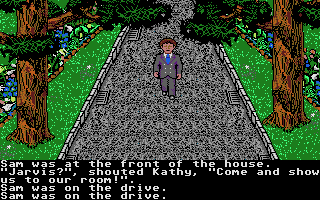
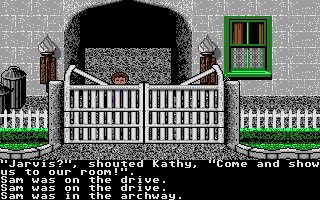
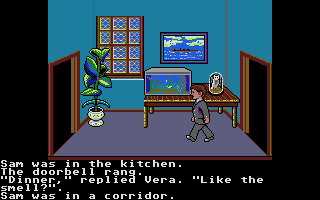
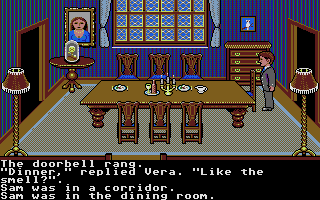
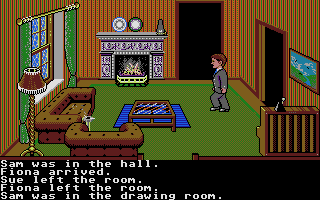
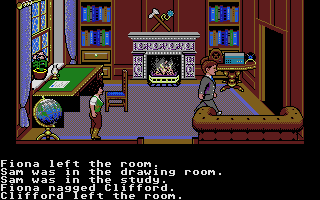
In 2025, Level 9’s Mike Austin has amazingly been preserving disks and hard-drives from the Level 9 archives, and has made them all available on Github – with more expected to be added over time. Amazingly, this included what seems to be all the code and assets for Grange Murders. Within the folders, were two PC executable demos which give a lovely glimpse of the promise that the game had – with some lovely detailed rooms throughout a large mansion building and with some basic character interaction.
We believe there could also be some ST builds lurking within the folders – but when trying to get some of these working, they wouldn’t run. Not so sure about Amiga at this stage – but if anyone manages to get an ST or Amiga build working from any of the files, please let us know and we’ll update the page accordingly. For now, we’ve taken a look at the PC version and have separated these out if you want to check them out in DOSBOX and we’ve made a video too showcasing some of the rooms.
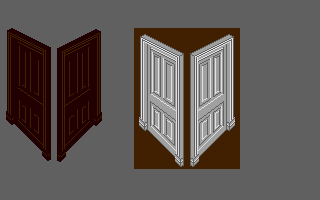
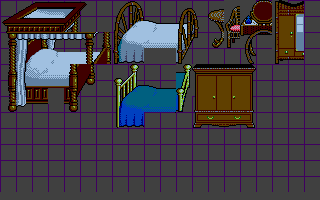
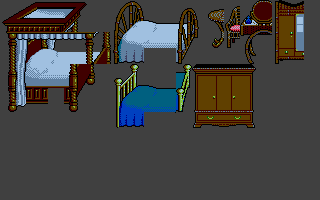
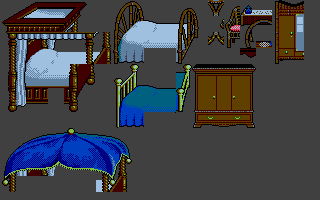
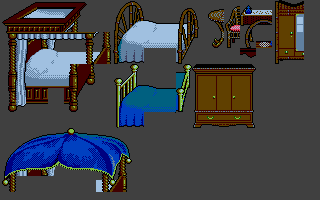
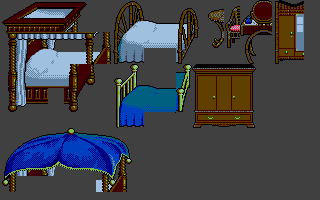
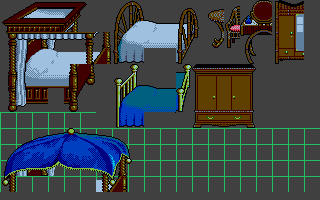
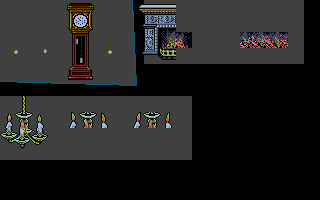
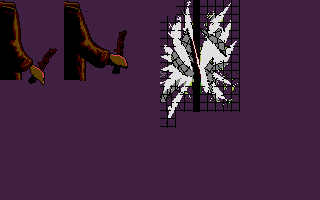
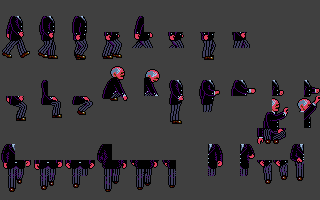
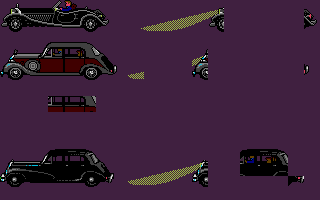
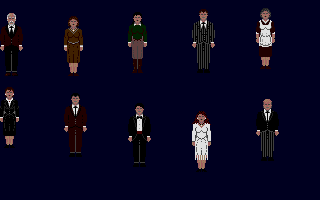
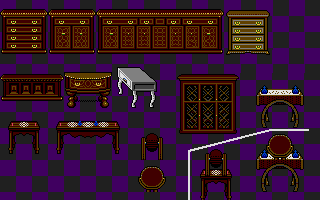
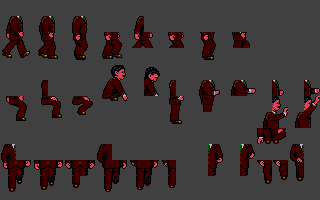
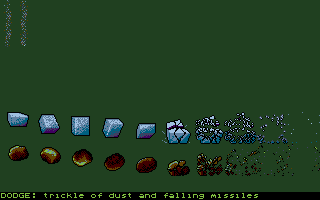
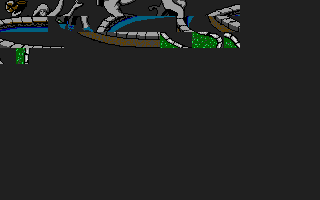
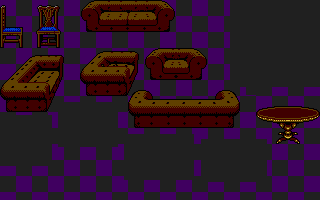
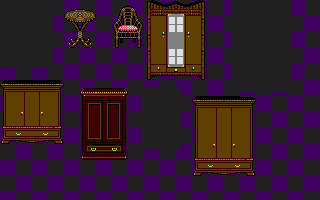
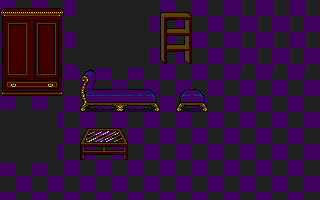
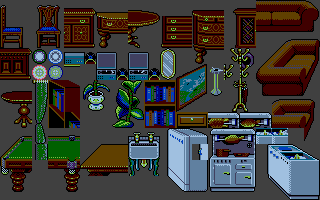
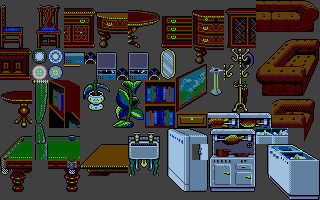
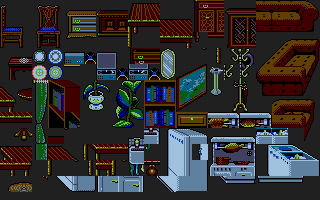
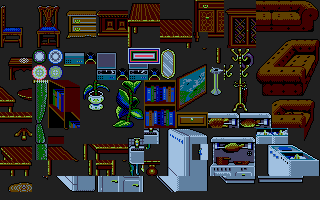
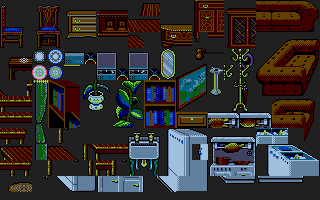
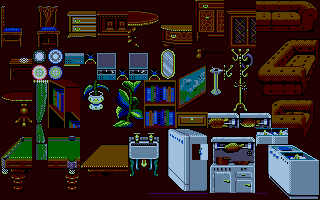
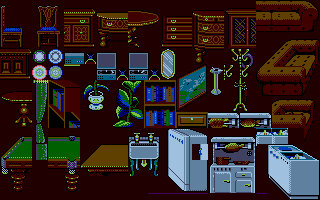
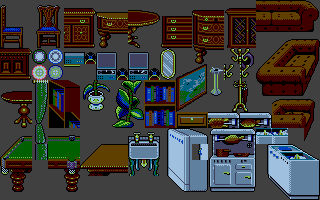
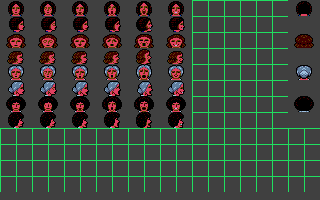
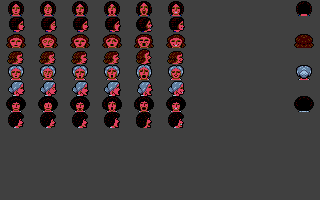
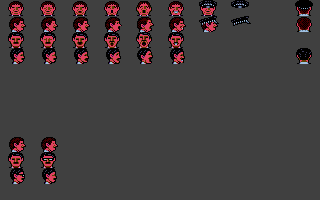
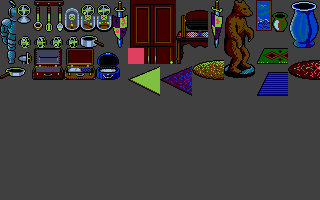
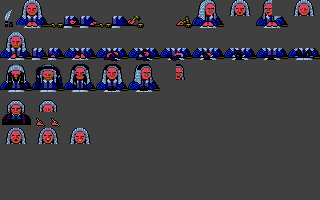
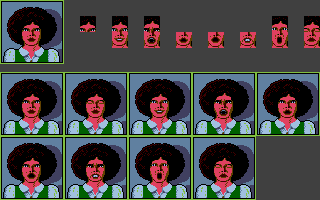
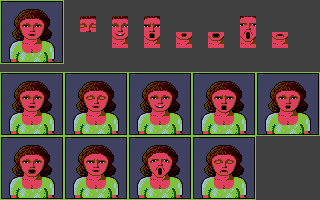
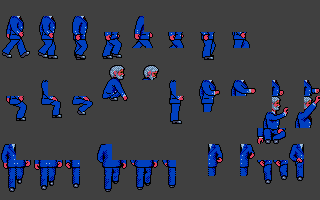
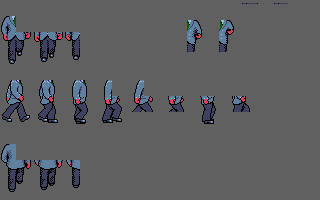
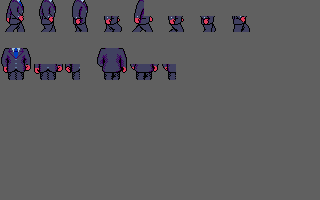
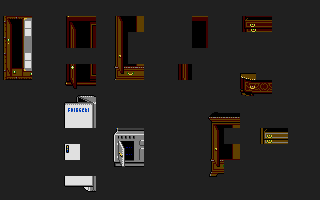
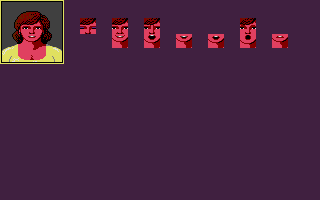
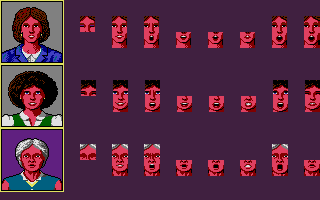
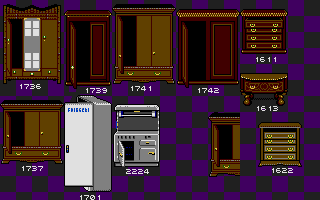
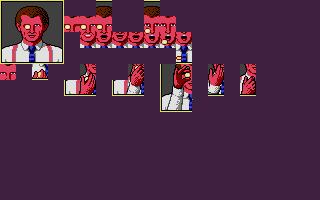
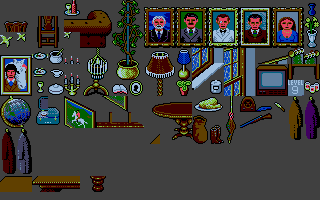
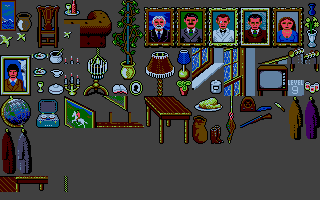
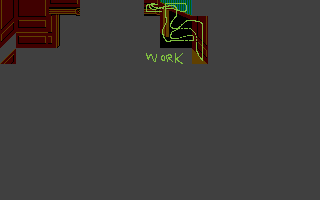
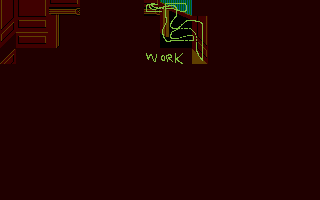
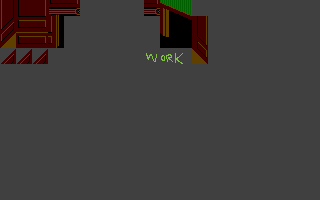
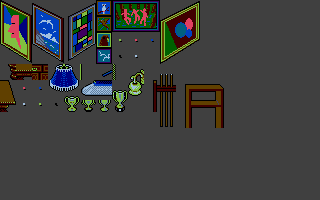
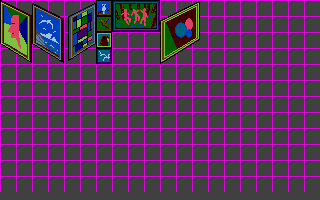
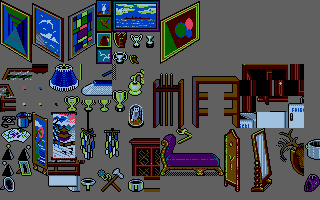
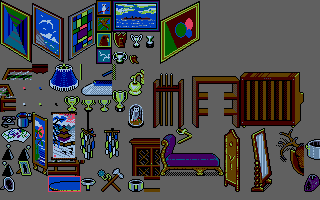
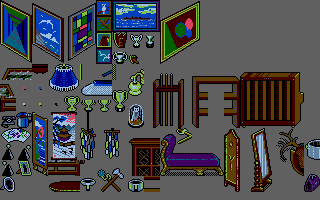
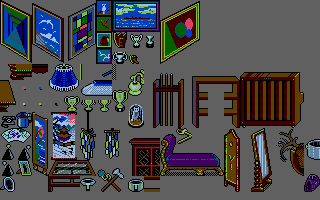
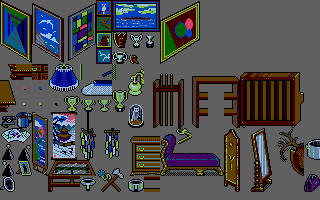
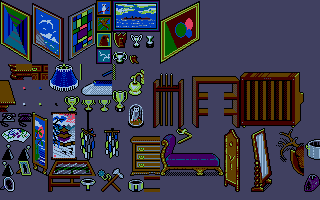
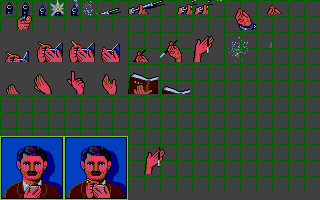
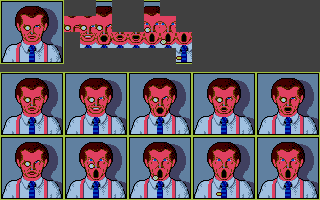
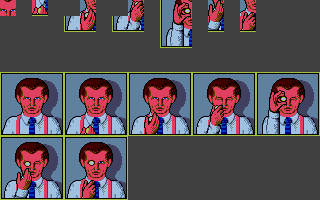
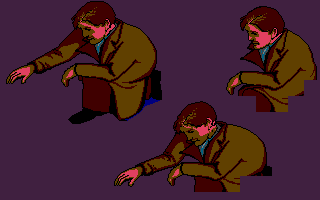
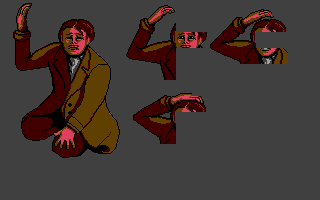
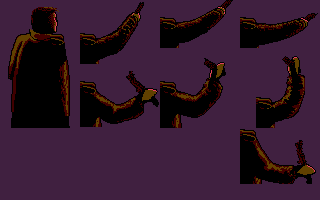
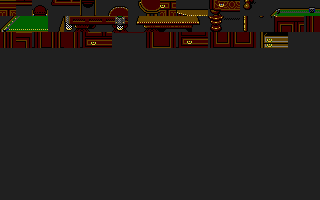
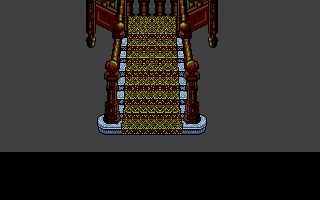
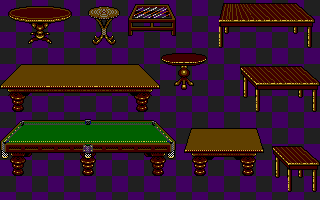
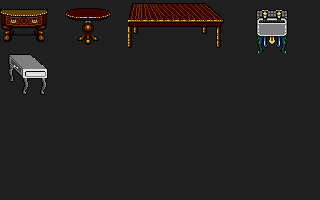
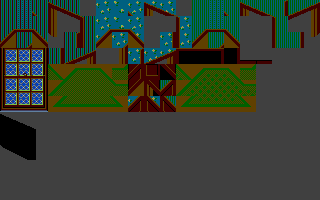
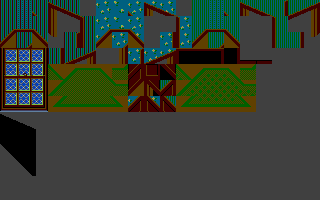
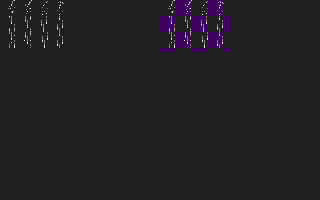
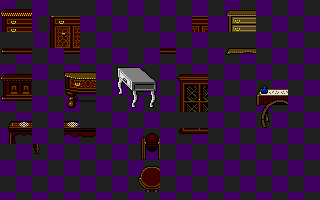
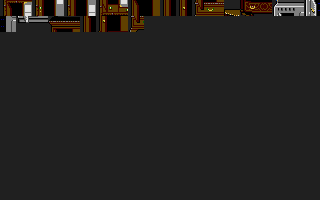
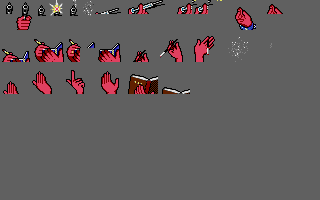
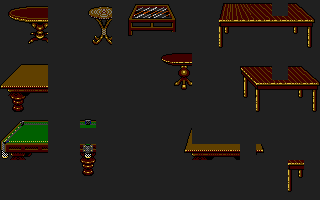
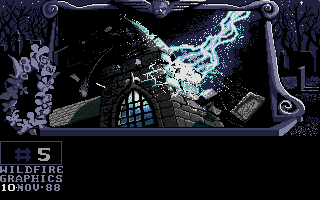
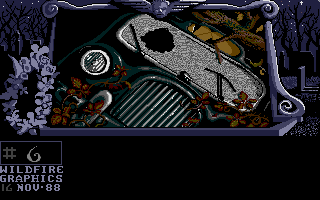
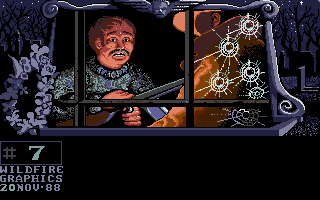
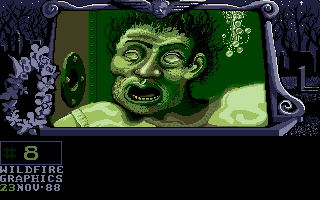
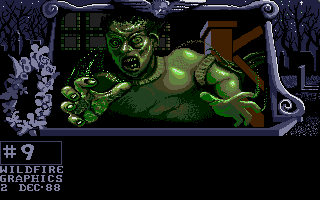
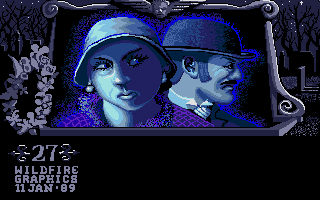
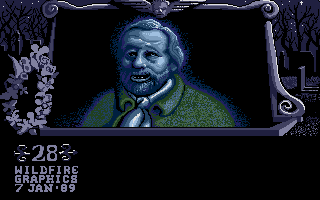
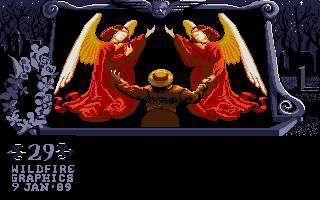
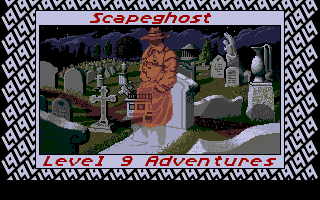
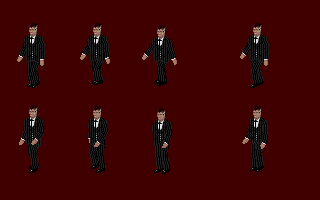
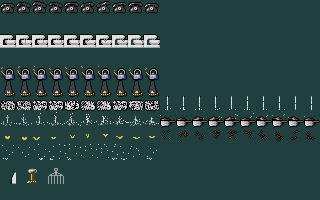
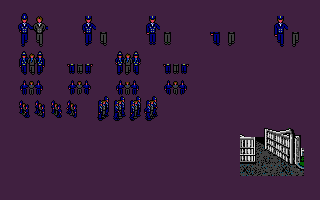
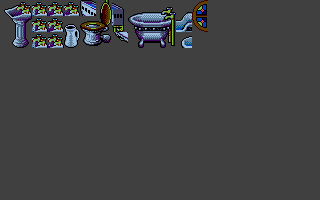
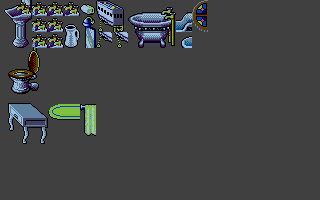
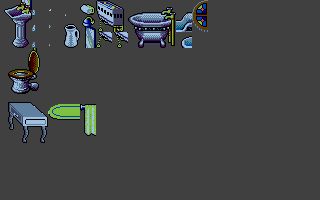
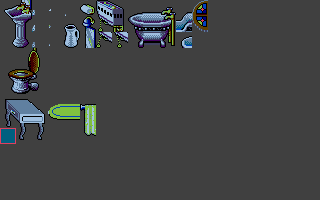
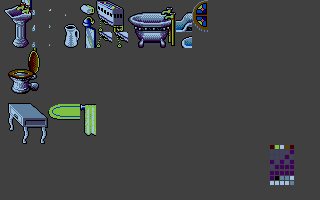
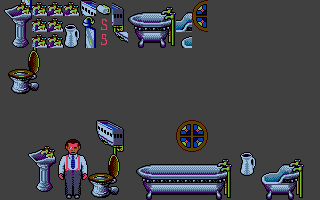
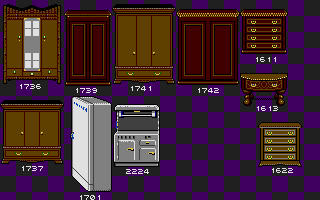
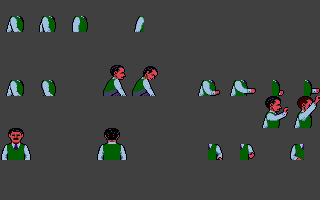
In addition to this, we’ve converted all the .NEO art files, so you can see the graphical assets and possibly some materials that hadn’t yet made it into the game. There seems to be other assets from a game called Wildfire which we don’t think is part of Grange Murders.
With a HUGE (pun intended) thank you to Mike Austin for recovering and releasing the Level 9 archives to make this recovery possible and Richard Hewison for the heads up about the assets and additional information about the game thanks to his original article on HUGE within Retro Gamer Issue 242.
Downloads
Video
Screenshot gallery
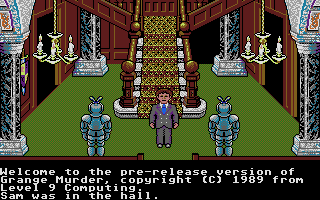
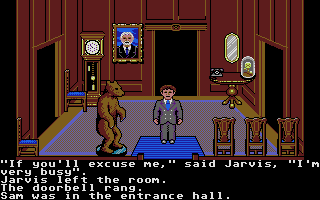
Asset gallery